Fins
Fins: blade stiffness, foot pocket fit, and kick style matter more than hype
Updated 12 Mar 2026
A more hardware-aware guide to scuba fins, focused on blade feel, pocket fit, travel weight, and how different fin styles behave in the water.
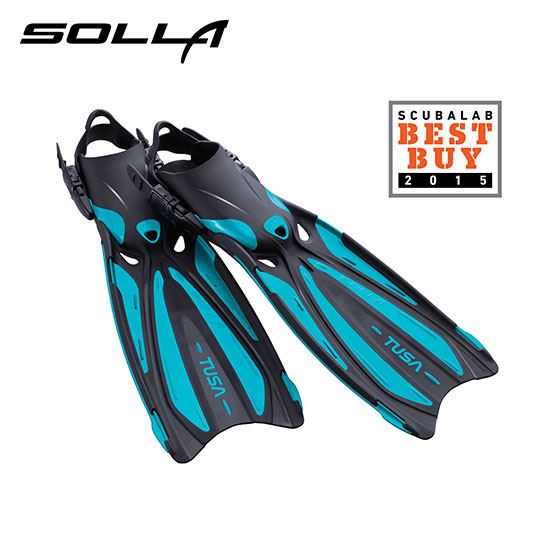
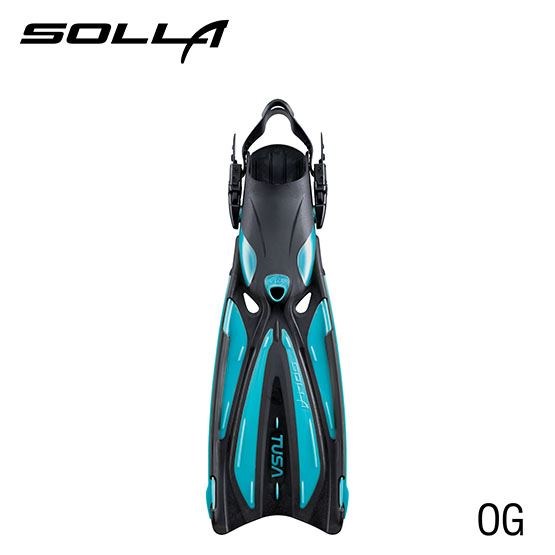
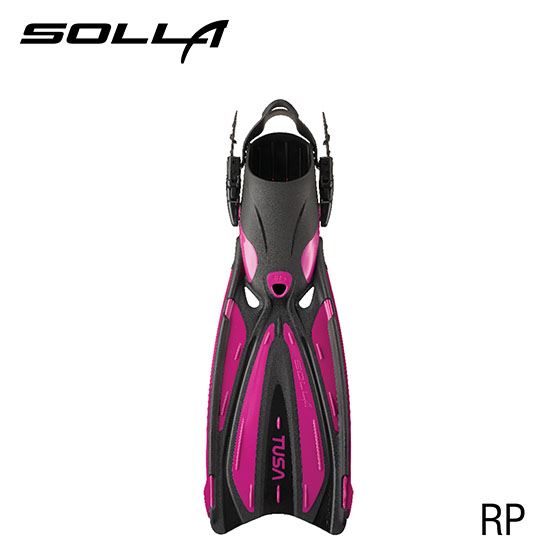
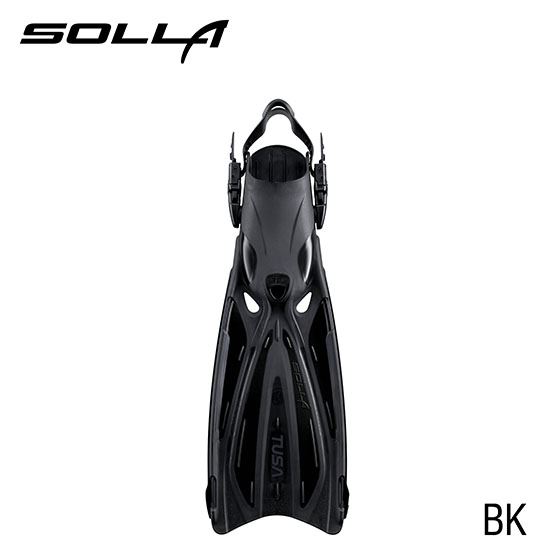
What this category is
Fins are one of the few pieces of scuba gear every diver feels immediately. The right pair makes movement feel efficient and controlled, while the wrong pair can leave the legs heavy, cramped, or oddly disconnected from the water. Because kicking style, leg strength, exposure boots, and dive conditions vary so much, fins are one of the most personal equipment choices in the whole kit.
Key differences
Paddle versus split feel
Traditional paddle fins push a larger, more direct wall of water and often feel more predictable for frog kicks, precise repositioning, and general all-round control. Split fins reduce resistance through the kick cycle and can feel easier on the legs for some divers, especially in straightforward flutter-kick use, but they tend to be less appealing to divers who want a more planted, technical, or maneuver-oriented feel.
Blade stiffness and power delivery
Some fins feel light and forgiving, which newer or traveling divers often appreciate. Others feel stiffer and more purposeful, which can reward stronger legs, thicker boots, heavier gear, or divers who want more authority in current. A fin that is too soft can feel vague, while one that is too stiff can become tiring long before the dive is over.
Foot pocket and strap style
Full-foot and open-heel designs create very different ownership patterns. Full-foot fins are lighter and travel well in warm-water setups. Open-heel fins work better with boots, colder water, shore entries, and divers who want a more secure fit. Spring straps or robust bungee-style straps also make a real difference in long-term convenience and reliability.
What to look for
Fit first
Start with comfort in the foot pocket and with the kind of boot or bare-foot setup you actually use. A fin can be theoretically excellent and still become a bad purchase if the pocket shape does not match the diver's foot or boot volume.
Blade shape and channeling
Side rails, venting, channels, and blade geometry all affect how the fin moves water. Some designs try to maximize straight-line thrust, while others try to create a smoother, less fatiguing kick cycle. This is one of those categories where the underwater feel matters more than a simple feature list.
Travel weight versus local utility
A fin that is perfect for frequent flights may not be the fin you most enjoy in colder local water with thicker boots and more kit. Travel-friendly fins save luggage weight and bulk, but many divers prefer a slightly more substantial fin when conditions get rougher or when they want a more controlled feel.
Durability and long-term ownership
Check strap quality, buckle simplicity, blade toughness, and how the fin looks after repeated packing or shore entries. A good pair of fins can stay in the kit for years, so convenience and durability matter as much as first-impression excitement.
Notable current options
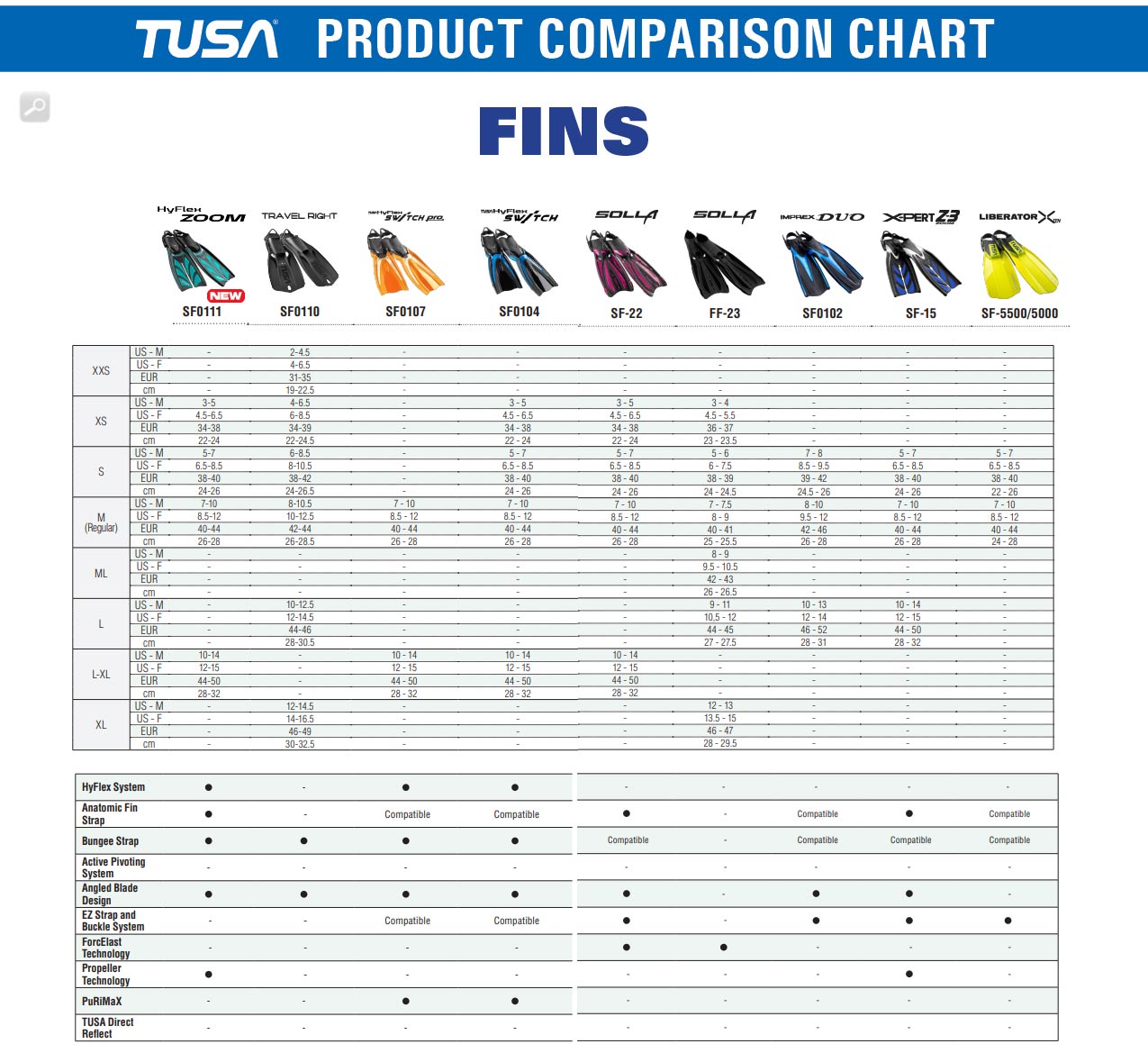
The strongest fin choices tend to cluster around use case. Apeks remains relevant for divers who like the compact, sturdy RK3-style approach. Mares still matters because the Avanti line remains one of the most familiar benchmarks for many recreational divers. Scubapro covers a broad middle ground from travel-friendly options to more substantial recreational designs. TUSA is useful both for everyday recreational models and for lighter travel-oriented fins. XDEEP speaks more to divers who want a purposeful, technical feel, while SEAC remains part of the mainstream value-to-midrange conversation. The best fin in this category is almost never the one with the loudest marketing, it is the one whose feel matches the diver's legs, boots, and kick style.
How to choose
If you travel often
Leaner, lighter fins make sense if luggage weight is a constant constraint and most diving is warm water from boats. Comfort and packability matter more here than maximum authority in current.
If you dive locally or in thicker boots
A more structured open-heel fin is often the better call. The extra control and secure fit usually matter more than saving a bit of weight.
If you want maneuverability and control
Paddle-style fins tend to appeal more to divers who care about frog kicks, backing up, and small corrections around wrecks, kelp, or other structure.
If you just want a dependable all-round fin
Choose the model that fits your foot and boot combination best and feels natural after a few minutes of kicking. In this category, comfort and confidence nearly always beat theory.